

Image editing alternatives to Photoshop in 2024

UPDATED August 2024 If you have an online presence of any sort, you’ll need to deal with editing images. If you’ve had a website redesigned, or plan on updating your older site, an image editing app will be vital. Until now, you may have just taken images off your phone and uploaded them. Perhaps cropping them on your phone itself and then used it. But what if you need to do more? At the very least, you’ll want to reduce the size or pixel count. Photoshop may be the industry standard for photo editing but it carries a huge price tag and demands vast system resources. It’s what we use and works very well but not everyone can justify the heavy price. To help you gain more control over your images, we put together a few alternatives that are either free or affordable alternatives to Adobe Photoshop. Image editing types Image editor apps tend to focus on one of two image types: Raster and Vector. Raster images Vector images For now, we’ll look at the raster or pixel based editors – so the ones for photos basically. Image Editors – free or affordable Ashampoo Image Optimiser I’ve known of Ashampoo…
Why choose a responsive design for your business website
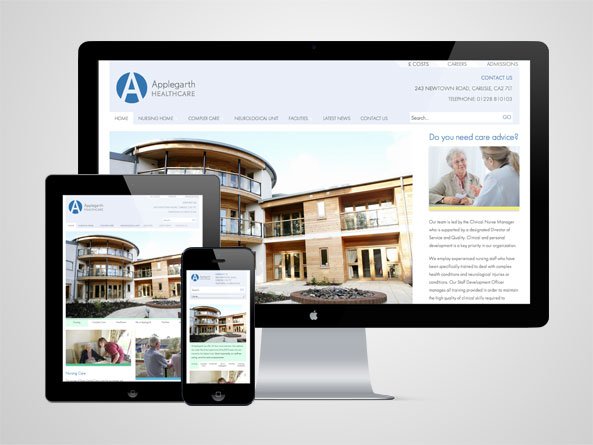
First, some background. In 2012, PC sales went down for the first time in over 10 years. Meanwhile, sales of tablets and related devices went up, a lot. Smartphones – do we even use that term any more? Phones are now smart. The trends are clear – your visitors are now using a huge variety of devices to view your website, and you need to get your message across effectively, whatever device it’s being viewed on. One option might be to use a mobile app to show some content optimised for mobile phones – but let’s look at the alternative. Responsive design means that your users are served with the same content, but the design responds to the device in use. Your website will display effectively on any device, remaining readable, with logical navigation. Responsive design is great for search engines Here are a few reasons why – for one thing, the same URLs are used, so no worries about duplicate content. That’s good for indexing and good for sharing – if a mobile user shares a link with a PC user, both view the site optimally. Bounce rates are reduced, users stay longer on the site. Discover what Google…