

Understanding the importance of Keywords for SEO
Understanding Keywords: A Comprehensive Overview
“Keywords” has become a cornerstone in search engine optimization (SEO), online marketing, and content creation. We will explore the definition of keywords, their functions, and their significance in enhancing online visibility and engagement.
What Are Keywords?
At its core, a keyword is a specific word or phrase that users enter into search engines like Google, Bing, or Yahoo when looking for information. These keywords can potentially connect a user’s query with relevant content on the web. For example, if someone types “best coffee shops in New York” into a search engine, each of those words functions as a keyword.
Keywords can be categorized generally into three types:
- Short-Tail Keywords: These are usually one or two words in length, such as “coffee” or “coffee shops.” While they attract a broad audience, they often have high competition and may not lead to targeted traffic. The general trend is for searches to target longer tails, more specific phrases.
- Long-Tail Keywords: Comprising three or more words, these phrases are often more specific, such as “best coffee shops in Brooklyn.” They typically have lower search volumes but higher conversion rates due to their specificity.
- LSI Keywords: Latent Semantic Indexing (LSI) keywords are terms that are semantically related to the main keyword. For instance, if your main keyword is “coffee,” LSI keywords could include “caffeine,” “espresso,” or “latte.” These keywords help search engines understand the context of the content.
The Function of Keywords
Keywords serve multiple functions within the digital landscape. Primarily, they act as a bridge between users searching for information and content that meets their needs. When used on a webpage, keywords tell search engines what the content is about, aiding them in ranking it for relevant queries.
- Search Engine Ranking: The right keywords can improve a website’s ranking in search results. If a webpage is optimized for particular keywords, it stands a higher chance of appearing on the first page of search results when users search for related terms.
- Targeted Traffic: By strategically using keywords, websites can attract a more targeted audience. For instance, someone searching for “family-friendly coffee shops near me” is likely looking for a specific experience, and using this keyword would attract visitors who meet that criteria.
- Content Strategy: Keywords play a significant role in shaping content strategies. They guide content creators on what topics to cover and how to format them to align with user queries. This ensures that the content remains relevant and valuable to readers, thereby enhancing user engagement.
Importance of Keywords in SEO
In the context of SEO, keywords are essential for optimizing content so that it ranks higher in search engine results pages (SERPs). Here are some reasons why they are important in SEO:
- Driving Organic Traffic: Effective keyword research can uncover untapped opportunities in search traffic. Businesses that use keywords strategically in their content can drive significant amounts of organic traffic without relying solely on paid advertisements.
- Audience Insight: Keywords offer vital insights into user behaviour and preferences. By analyzing keywords, you can better understand what their audience is searching for, enabling them to create tailored content that meets their needs.
- Competitive Edge: Understanding and implementing the right keywords can give you a competitive advantage. By identifying less competitive long-tail keywords, companies can position themselves effectively in niche markets and attract more relevant visitors.
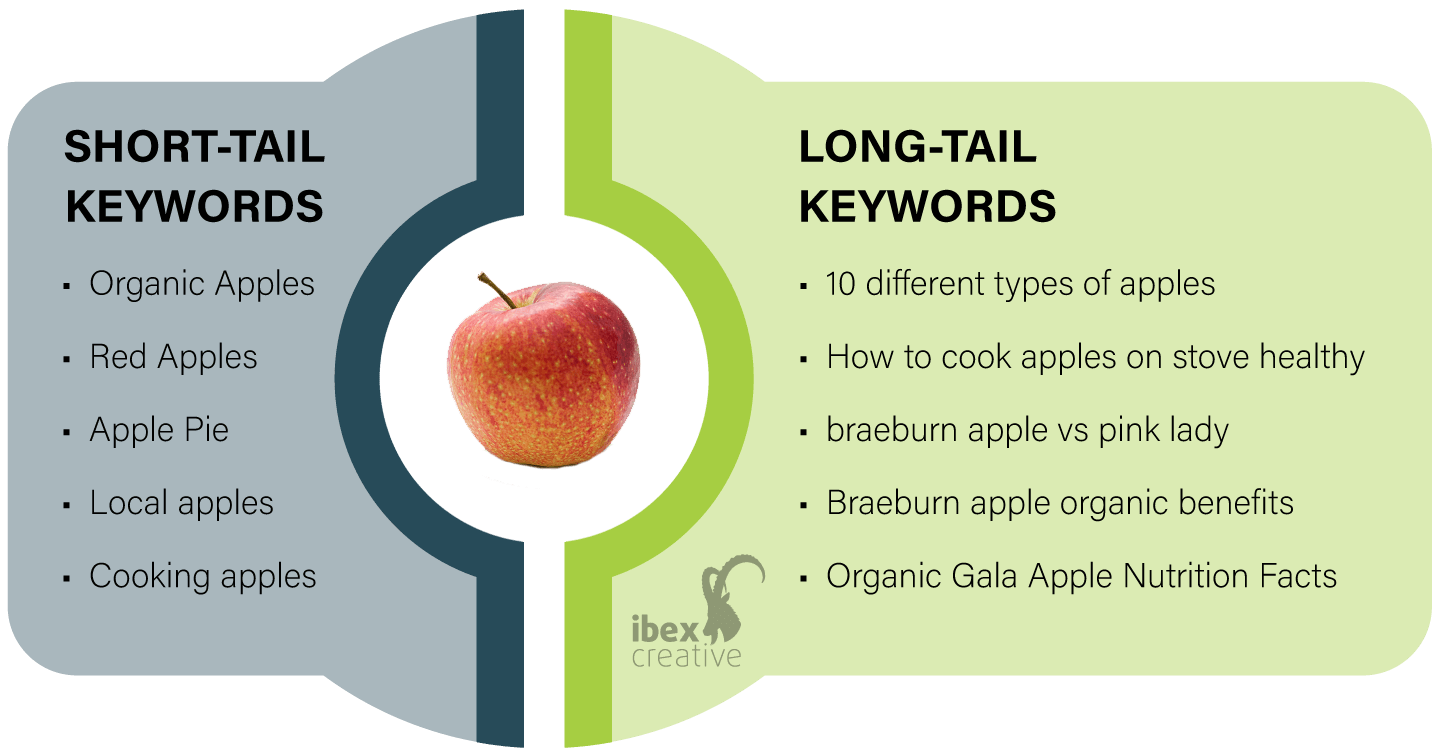
Types of keywords: short-tail vs long-tail
Short-tail keywords are broad and typically consist of one or two words, attracting high search volumes but often intense competition.
e.g. Running Shoes
Long-tail keywords are more specific phrases that usually contain three or more words, attracting lower traffic but typically higher conversion rates due to their focused nature. Visitors searching with long-tail keywords are more likely to look for a specific product or service and therefore more likely to buy.
e.g. ZoomX Invincible 3 Flyknit Mens Running Shoes
Understanding the strengths of both types allows marketers to optimize their content effectively and reach their target audience more precisely. Balancing short-tail and long-tail keywords can enhance visibility while catering to varying user intents.

Best Practices for Keyword Usage
To maximize the benefits of keywords, it’s important to adopt best practices in their usage:
- Keyword Research Tools: Use tools like Google Keyword Planner, SEMrush, or Ahrefs to find relevant keywords with favourable search volumes and competition levels. This data-driven approach can significantly boost content effectiveness.
- Placement and Density: Include keywords in vital areas of your content, such as the title, headings, and throughout the text. However, avoid keyword stuffing, which can lead to penalties by search engines. Maintaining a natural flow of language is essential.
- Monitor and Adapt: Regularly review the performance of your keywords using analytics tools to make sure you’re on the right path. By tracking which keywords are driving traffic, you can adjust your content strategy accordingly, ensuring continued optimisation.
Keywords are the bedrock of effective digital communication, linking users with the information they seek. You can start making gentle changes gradually or overhaul your website completely, depending on budget or staff availability.